Page Contents
ToggleThat familiar feeling of staring at the ceiling at 2 AM, your mind racing while your body aches for rest—it’s a frustrating cycle many of us between 30 and 60 know all too well. When the stresses of daily life make it impossible to “switch off,” the idea of a simple, comforting cup of tea for sleep feels like a welcome relief from a world of harsh sleep aids and their side effects.
But is it just an old wives’ tale, or can a warm mug of tea truly pave the way for a restful night? The good news is that science is finally catching up with this ancient wisdom. Specific herbal teas contain natural compounds that can gently calm your nervous system, reduce anxiety, and signal to your body that it’s time to unwind. Let’s explore which ones actually work and how to use them to reclaim your nights.
How Herbal Tea Helps You Unwind
The magic of a good sleep tea isn’t just about the comforting warmth. The right herbal tea contains bioactive compounds that interact with your brain’s chemistry to promote relaxation and sleepiness.

- Calming Receptors: Some herbs, like chamomile, contain antioxidants that bind to the same brain receptors that anti-anxiety medications target, creating a mild tranquilizing effect.
- Boosting GABA: Other herbs, such as valerian root and passionflower, are known to increase the levels of GABA (gamma-aminobutyric acid) in the brain. GABA is a neurotransmitter that calms nerve activity, quieting a racing mind.
- Reducing Stress Hormones: The simple ritual of preparing and sipping tea can lower cortisol, your body’s primary stress hormone, making it easier to transition into a state of rest.
To further help your body reset from daily stress while promoting calm and balance, the Vital Force Review 2025 explores a natural detox and stress-support supplement that complements your nightly relaxation routine.
The Best Tea for Sleep: Science-Backed Choices
While many teas claim to be calming, a few stand out in scientific research for their proven sleep-promoting properties. These are the heavy hitters you should consider for your bedtime routine.
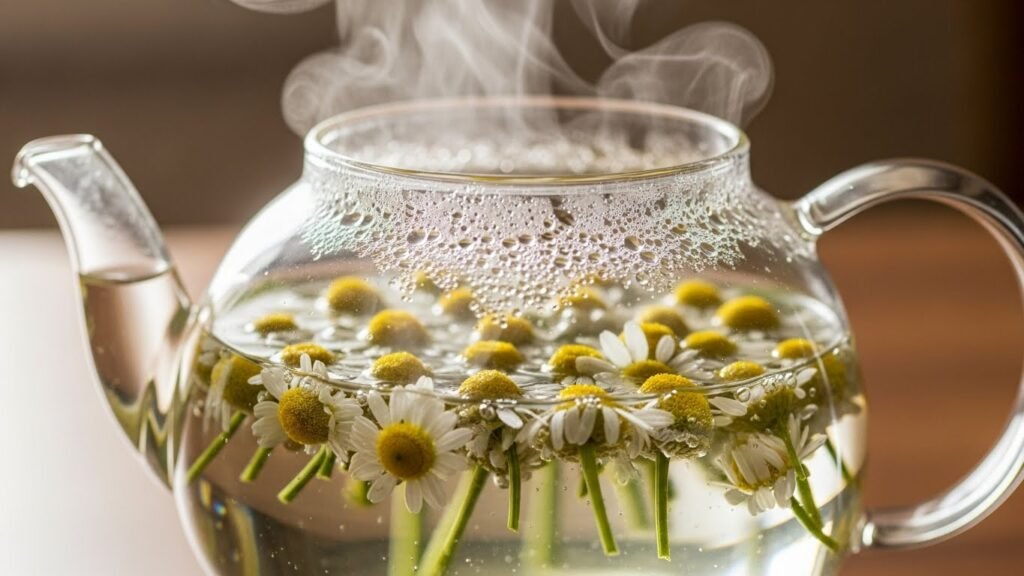
The Power of Chamomile Tea
There’s a reason chamomile tea is the go-to for relaxation. It contains a powerful antioxidant called apigenin, which binds to specific receptors in your brain that may decrease anxiety and initiate sleep. Studies have shown it can improve sleep quality and reduce the time it takes to fall asleep. It’s the gentle, reliable starting point for anyone new to sleep teas.
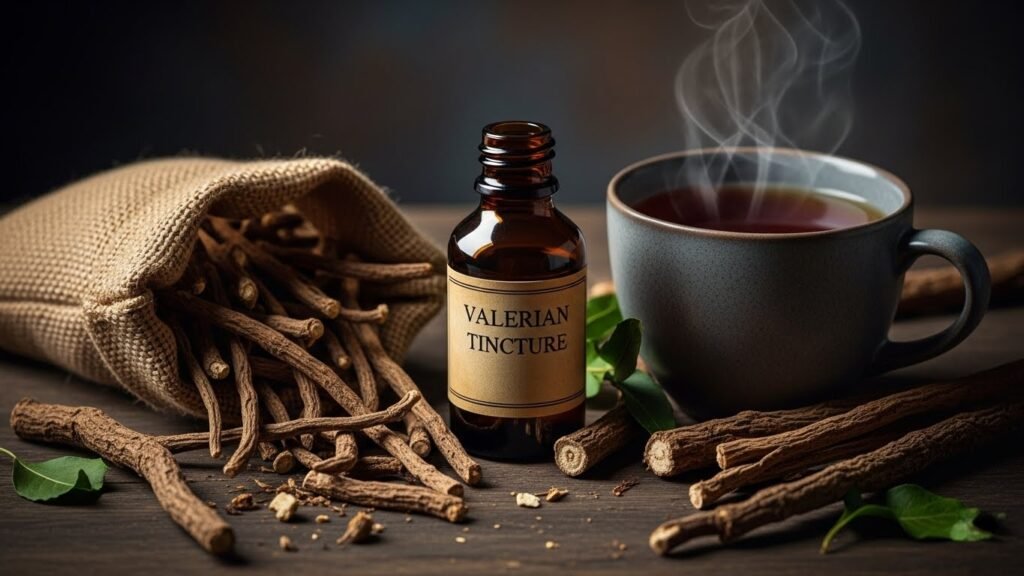
Valerian Root for Deeper Rest
If you struggle with waking up frequently during the night, valerian root might be your answer. This potent herb has been used for centuries to treat insomnia. It works by increasing the amount of GABA in the brain, which has a sedative effect. While its earthy aroma can be strong for some, its ability to promote deeper, more restorative sleep makes it a favorite for those with more persistent sleep issues.
Other Calming Contenders
- Lavender: The scent of lavender is famously calming, but drinking it as a tea can also relax the mind and improve sleep quality. It’s an excellent choice for stress-related sleeplessness.
- Lemon Balm: A member of the mint family, lemon balm is known for reducing stress and anxiety, making it easier to drift off. It has a pleasant, slightly citrusy taste.
- Passionflower: Like valerian, passionflower is thought to work by boosting GABA levels in the brain, helping to quiet a busy mind.
- Magnolia Bark: A staple in traditional Chinese medicine, this tea contains compounds that have been shown to reduce the time it takes to fall asleep.
Creating Your Nightly Tea Ritual
The benefits of a tea for sleep go beyond its chemical compounds. The act of preparing and drinking it creates a powerful psychological cue that helps you wind down.
- Timing is Key: Drink your tea about 30-60 minutes before your desired bedtime. This gives the compounds time to take effect and allows you to use the bathroom one last time before settling in.
- Engage Your Senses: Pay attention to the warmth of the mug in your hands, the fragrant steam, and the soothing taste. This mindfulness practice helps pull you out of your racing thoughts and into the present moment.
- Create a Habit: By making this a consistent part of your nightly routine, you train your brain to associate the ritual with sleep, making it easier to drift off night after night.
For readers who want an extra layer of support for deep, restorative rest, the Sleep Lean Review 2025 explores a natural nighttime formula that promotes relaxation and sleep quality while supporting a balanced metabolism.
Beyond the Mug: The Role of Sleep Hygiene
While tea can be incredibly helpful, it works best as part of a comprehensive approach. Supporting your tea ritual with good sleep hygiene will amplify its effects.
- Create a Cool, Dark, Quiet Haven: Your bedroom should be a sanctuary for sleep. Set the thermostat between 60-67°F and use blackout curtains and earplugs if needed.
- Power Down Screens: The blue light from phones, tablets, and TVs suppresses melatonin production. Put all screens away at least an hour before bed.
- Stick to a Schedule: Going to bed and waking up at the same time every day—even on weekends—helps regulate your body’s internal clock.
Important Safety Considerations
Natural doesn’t always mean risk-free. Before incorporating sleep teas into your routine, keep these points in mind:
- Avoid Caffeinated Teas: Make sure you’re choosing a truly herbal tea. Black, green, and white teas all contain caffeine that will disrupt your sleep.
- Check for Interactions: If you are taking any medications (especially sedatives, blood thinners, or blood pressure medication), are pregnant or breastfeeding, or have a medical condition, talk to your healthcare provider before trying new herbal remedies.
- Start Slow: Everyone reacts differently. Start with one type of tea to see how your body responds before trying blends or stronger herbs like valerian.
The Bottom Line on Tea for Sleep
In a world that’s always “on,” reclaiming your right to a peaceful night’s sleep is one of the most powerful acts of self-care. A simple cup of tea for sleep is more than just a warm beverage; it’s a science-backed tool and a calming ritual that can help you gently unwind and prepare your body for the restorative rest it needs.
By choosing the right herbs, creating a consistent nightly ritual, and pairing it with good sleep habits, you can build a natural and sustainable solution to sleeplessness. It’s a gentle, nourishing approach that honors your body’s need for both comfort and calm.
Sources
This article was inspired by and adapted to better serve the readers of Best Natural Health Products from “Restless? Try These Bedtime Teas for Better Sleep”. Cleveland Clinic. Available at: https://health.clevelandclinic.org/tea-for-sleep. Accessed on: December 2025.

Mark Henderson is the Lead Product Analyst and resident skeptic. He specializes in the "Dosage Audit," rigorously cross-referencing label claims against clinical trials to expose underdosed products. Mark helps readers bypass the hype to find longevity solutions with a proven ROI.