Page Contents
ToggleThat moment when you catch your reflection and wonder where your natural glow went – it’s not just about aging. If you’re between 30 and 60 and tired of expensive creams that promise miracles but deliver disappointment, here’s a truth the beauty industry doesn’t want you to know: the most powerful skin nutrients come from within, not from a $200 jar. Your skin’s health reflects what you feed it internally, and science proves that specific nutrients can transform your complexion more effectively than any topical treatment alone.
Let’s cut through the marketing hype and explore what research actually shows about feeding your skin from the inside out. Whether you’re dealing with dryness, premature aging, or just want that healthy radiance back, understanding these essential nutrients gives you the power to take control of your skin’s health naturally.
Understanding How Skin Nutrients Work
Your skin is your body’s largest organ, constantly regenerating and repairing itself. This process requires specific skin nutrients to function properly. Think of your skin cells like a construction site – without the right materials (nutrients), the building (your skin) can’t be properly maintained or repaired.
Every 28 days, your skin completely renews itself. During this cycle, nutrients play crucial roles:
Cell Production and Repair:
- Building new collagen and elastin fibers
- Creating healthy cell membranes
- Protecting against environmental damage
- Maintaining proper moisture balance
- Supporting natural detoxification
The challenge is that as we age, our bodies become less efficient at delivering these nutrients to skin cells. Poor diet, stress, and environmental factors compound the problem. That’s why understanding which nutrients matter most – and how to optimize their absorption – becomes critical for maintaining healthy skin after 40.
If you’re looking to boost your body’s natural ability to renew and repair skin at the cellular level, the Mitolyn Review 2025 explores a formula designed to enhance mitochondrial energy and promote youthful vitality from within.
The Power of Vitamin C for Skin
Why Vitamin C Changes Everything
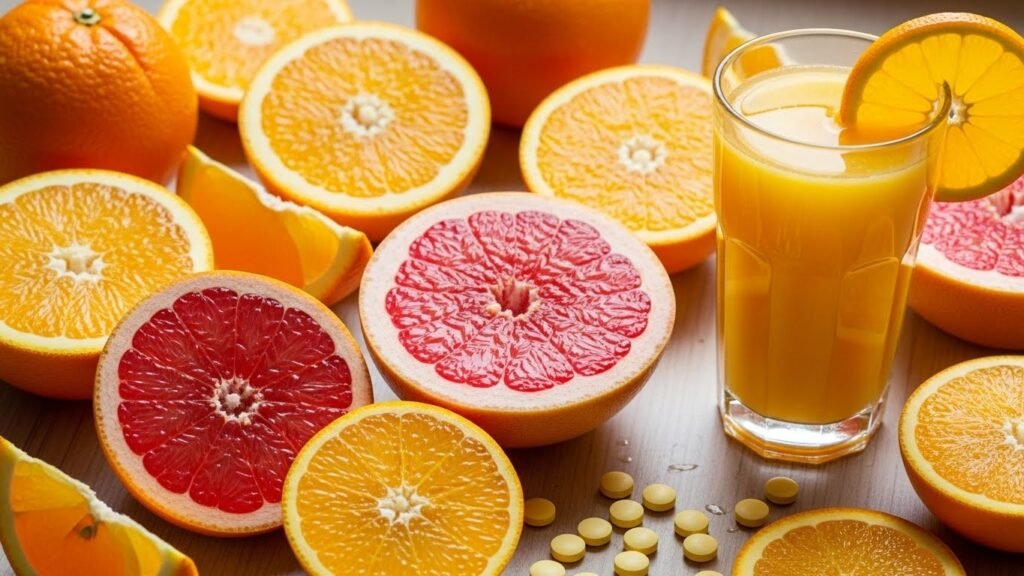
Among all skin nutrients, vitamin C stands out as the multitasking superstar your skin desperately needs. This water-soluble vitamin isn’t just about preventing scurvy anymore – it’s essential for virtually every aspect of skin health.
Collagen Production:
Vitamin C is absolutely necessary for collagen synthesis. Without adequate levels, your body literally cannot produce this structural protein that keeps skin firm and elastic. Studies show that vitamin C intake directly correlates with reduced wrinkles and better skin appearance.
Antioxidant Protection:
As a powerful antioxidant, vitamin C neutralizes free radicals from sun exposure, pollution, and stress. This protection prevents premature aging and helps maintain even skin tone.
Brightening Effects:
Vitamin C inhibits melanin production, helping fade dark spots and creating a more radiant complexion. It’s nature’s answer to expensive brightening serums.
Optimal Sources and Absorption:
- Fresh citrus fruits (not just orange juice)
- Bell peppers (more C than oranges!)
- Strawberries and kiwi
- Broccoli and Brussels sprouts
- Take with iron-rich foods for better absorption
- Avoid taking with coffee (reduces absorption)
Essential Omega Fatty Acids
How Omega Fatty Acids Transform Skin
If vitamin C is the builder, omega fatty acids are the protectors and moisturizers. These essential fats do what no external moisturizer can – they strengthen your skin’s barrier from within, locking in hydration and keeping irritants out.
Omega-3s (EPA and DHA):
- Reduce inflammation that accelerates aging
- Protect against sun damage
- Improve skin elasticity
- Help manage conditions like psoriasis and eczema
Omega-6s (When balanced with omega-3s):
- Maintaining cell membrane integrity
- Supporting wound healing
- Regulating oil production
Best Natural Sources:
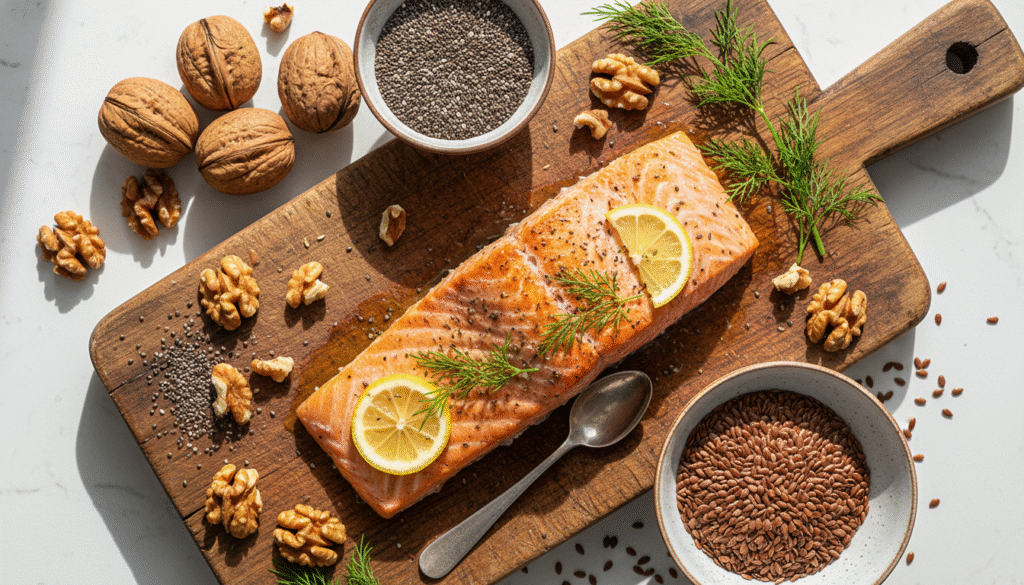
- Wild-caught salmon (twice weekly)
- Walnuts and ground flaxseed
- Chia seeds in smoothies
- Sardines and mackerel
- Algae supplements for vegetarians
The key is the ratio – aim for 4:1 omega-6 to omega-3, not the typical American ratio of 20:1.
Since your skin’s balance also depends heavily on gut health, you may want to explore how a gut-focused formula like the PrimeBiome Review 2025 connects digestive wellness to clearer, more radiant skin.
Maximizing Skin Hydration Naturally
Beyond Water: True Skin Hydration
Drinking eight glasses of water won’t automatically give you dewy skin. True skin hydration requires specific nutrients that help your cells actually hold onto moisture.
Hyaluronic Acid Precursors:
Your body produces hyaluronic acid naturally, but production decreases with age. Support it with:
- Bone broth (rich in amino acids)
- Root vegetables (sweet potatoes, carrots)
- Soy-based foods
- Citrus fruits (vitamin C again!)

Ceramide Builders:
Ceramides are lipids that prevent moisture loss. Boost production with:
- Eggs (especially yolks)
- Dairy products (if tolerated)
- Wheat germ
- Brown rice
Silicon for Structure:
This trace mineral improves skin elasticity and hydration:
- Oats and whole grains
- Green beans
- Beer (in moderation!)
- Bananas
Antioxidants: Your Skin’s Defense System
Why Antioxidants Matter More After 40
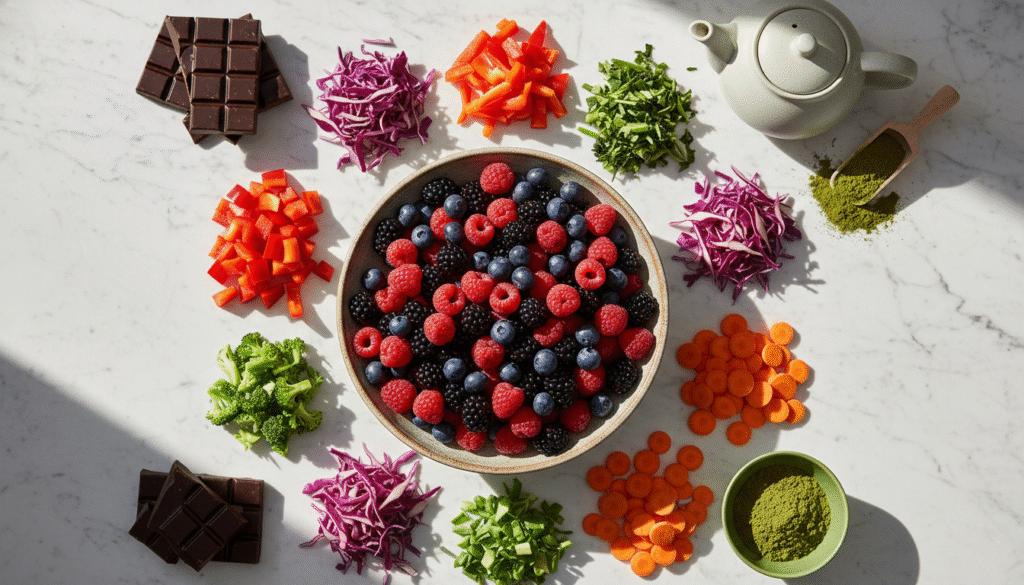
Free radical damage accelerates exponentially as we age, making antioxidants non-negotiable for healthy skin. These protective compounds work synergistically – you need variety, not megadoses of one type.
Vitamin E:
Works with vitamin C to protect cell membranes:
- Sunflower seeds
- Almonds and hazelnuts
- Avocados
- Olive oil
Vitamin A and Beta-Carotene:
Essential for cell turnover and repair:
- Sweet potatoes
- Carrots and squash
- Dark leafy greens
- Liver (if you eat it)
Selenium:
Protects against UV damage and inflammation:
- Brazil nuts (just 2 daily)
- Tuna and halibut
- Eggs
- Mushrooms
Polyphenols:
Powerful plant compounds with anti-aging effects:
- Green tea (4 cups daily)
- Dark chocolate (70% cacao)
- Berries (especially blueberries)
- Red wine (one glass)
For those seeking extra topical support with antioxidant-rich plant oils, the Kerassentials Review 2025 highlights a natural formulation that helps protect skin and nails from oxidative and fungal stressors.
Minerals Often Overlooked
Beyond the headline nutrients, several minerals play crucial supporting roles.
Zinc:
Essential for wound healing and oil regulation:
- Oysters (best source)
- Pumpkin seeds
- Beef and lamb
- Chickpeas
Copper:
Works with vitamin C for collagen formation:
- Dark chocolate
- Cashews
- Sunflower seeds
- Shellfish
Silica:
Strengthens connective tissue:
- Cucumber skins
- Bell peppers
- Oats
- Asparagus
Creating Your Skin Nutrition Plan
Daily Nutrient Strategy
Building a skin-supportive diet doesn’t require perfection – it needs consistency. Here’s a practical framework.
Morning:
- Vitamin C-rich fruit with breakfast
- Green tea instead of second coffee
- Omega-3 supplement if not eating fish
Midday:
- Colorful salad with variety of vegetables
- Handful of nuts or seeds
- Adequate protein for amino acids
Evening:
- Fatty fish twice weekly
- Variety of cooked vegetables
- Minimal processed foods
Throughout Day:
- Adequate water (half body weight in ounces)
- Herbal teas for extra antioxidants
- Minimal sugar and refined carbs
Absorption Optimization Tips
Getting nutrients into your body is only half the battle – they need to reach your skin cells.
Enhance Absorption:
- Take fat-soluble vitamins (A, D, E, K) with meals containing fat
- Combine vitamin C with plant-based iron sources
- Eat fermented foods for better gut health
- Minimize alcohol (depletes B vitamins)
- Manage stress (impairs nutrient absorption)
Timing Matters:
- Vitamin C: Morning for antioxidant protection
- Omega-3s: With largest meal for absorption
- Zinc: Evening, away from iron and calcium
- Probiotics: Empty stomach or bedtime
Common Nutrient Deficiencies Affecting Skin
Even with a “healthy” diet, certain deficiencies commonly impact skin health.
B Vitamins (Especially B12, Biotin):
- Symptoms: Dry, flaky skin; cracked lips
- Risk factors: Vegetarian diet, aging, medications
- Solution: B-complex supplement, nutritional yeast
Vitamin D:
- Symptoms: Psoriasis, slow healing, acne
- Risk factors: Limited sun, northern climates
- Solution: 1000-2000 IU daily, fatty fish
Iron:
- Symptoms: Pale skin, dark circles, hair loss
- Risk factors: Heavy periods, vegetarian diet
- Solution: Pair plant iron with vitamin C
Supplements vs. Food Sources
While whole foods should be your primary source, strategic supplementation can fill gaps.
When Supplements Make Sense:
- Documented deficiency
- Dietary restrictions
- Absorption issues
- Increased needs (stress, illness)
Quality Matters:
- Third-party tested brands
- Bioavailable forms (methylated B vitamins, chelated minerals)
- Proper storage (away from heat and light)
- Check expiration dates
Food First Approach:
- More cofactors and synergistic compounds
- Better absorption rates
- No risk of overdose
- Additional health benefits beyond skin
Your Skin Transformation Timeline
Understanding realistic expectations helps maintain motivation.
Week 1-2:
- Improved hydration with adequate water and omega-3s
- Possible initial breakouts (detoxification)
Week 3-4:
- Better skin texture from consistent vitamin C
- Reduced inflammation from antioxidants
Week 5-8:
- Visible improvements in tone and clarity
- Stronger skin barrier function
Month 3+:
- Reduced fine lines and wrinkles
- More even pigmentation
- Improved elasticity and firmness
Nourish Your Skin from Within
The path to healthy, radiant skin doesn’t require expensive treatments or complicated routines. By understanding and providing essential skin nutrients, you’re giving your body the tools it needs to create beautiful skin naturally. This approach isn’t just about appearance – it’s about overall health that happens to show on your face.
Start with one or two nutrient improvements this week. Maybe add wild salmon to your dinner rotation or swap your afternoon snack for antioxidant-rich berries. Small, consistent changes create lasting results. Track your skin’s response with weekly selfies in the same lighting – you’ll be amazed at the transformation.
Remember, your skin reflects your overall health. By nourishing it from within with the right nutrients, you’re not just improving your appearance – you’re investing in healthy aging, disease prevention, and vitality that radiates from the inside out. That’s a beauty secret no cream can match.
Sources
This article was inspired by and adapted to better serve the readers of Best Natural Health Products from “Nutrients for Healthy Skin”. WebMD. Available at: https://www.webmd.com/beauty/nutrients-for-healthy-skin. Accessed on: November 27, 2024.

Sarah Jenkins is a Senior Wellness Researcher and former science educator. She specializes in "Ingredient Provenance"—decoding complex clinical studies to ensure every product is safe and historically verified. Sarah translates dense medical data into actionable advice for families and individuals.