Page Contents
ToggleRemember when your grandmother swore by that simple bottle of oil for her remarkably soft skin? Turns out, she was onto something profound. If you’re navigating your 40s or 50s and frustrated with synthetic skincare products that promise miracles but deliver disappointment, natural face oils might be the game-changer you’ve been searching for. Science is finally catching up to what traditional cultures have known for centuries – plant-based oils offer remarkable benefits for mature skin without the harsh chemicals or eye-watering price tags.
Let’s explore four powerhouse oils that dermatologists and researchers are genuinely excited about. Whether you’re dealing with dry patches, fine lines, or simply want to simplify your routine with clean ingredients, understanding these oils can transform your approach to skincare.
Why Natural Face Oils Work for Mature Skin
The beauty of natural face oils lies in their molecular structure that closely mimics your skin’s natural sebum. As we age, our skin produces less oil, leading to dryness, reduced elasticity, and more visible lines. Plant-based oils don’t just sit on your skin’s surface – they penetrate deeply, delivering vitamins, antioxidants, and essential fatty acids exactly where you need them. Research shows these oils provide multiple benefits simultaneously.
Deep Moisturization Without Clogging
Unlike heavy creams loaded with synthetic ingredients, quality plant oils moisturize while allowing your skin to breathe. They create a protective barrier that locks in hydration without the greasy residue.
Antioxidant Protection
Natural oils are packed with vitamin E, polyphenols, and other antioxidants that fight free radical damage – the primary culprit behind premature aging and dull skin.
Anti-Inflammatory Action
Many plant oils contain compounds that calm irritation and redness, making them ideal for sensitive or reactive skin that becomes more common after 40.
Enhanced Absorption of Other Products
Oils can help other skincare ingredients penetrate more effectively, maximizing the benefits of your entire routine.
However, for certain stubborn conditions like fungal infections, natural penetration isn’t always enough to reach the root of the problem. If you need a more advanced delivery system, our in-depth review of NanoDefense Pro explores a formula that uses nanotechnology to penetrate deeply.
The Power of Coconut Oil
Understanding Coconut Oil Benefits
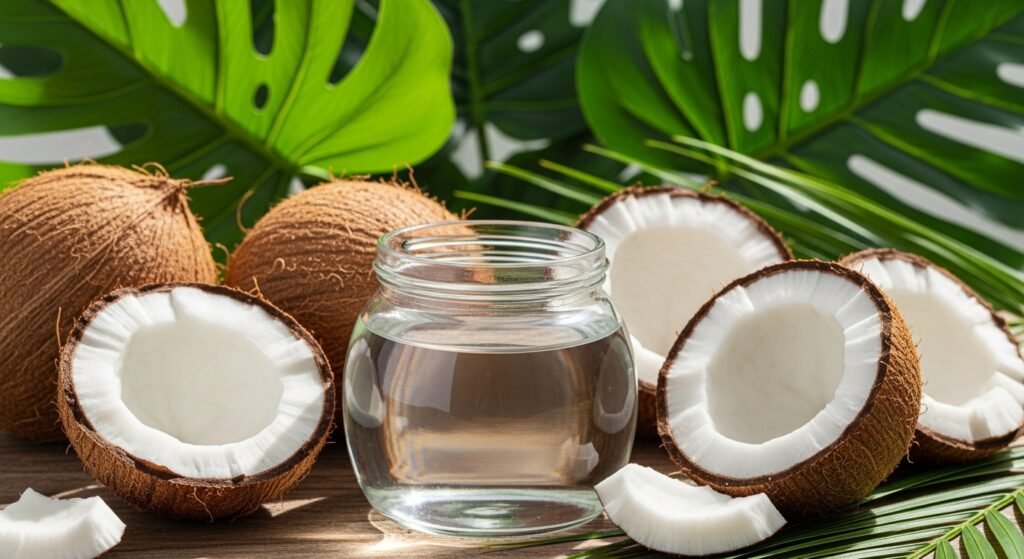
Virgin coconut oil has experienced a remarkable journey from kitchen staple to skincare superstar. Containing about 48% lauric acid and rich in medium-chain fatty acids, it offers unique properties that make it particularly effective for certain skin types.
What Makes It Special:
- Antimicrobial properties that fight acne-causing bacteria
- Promotes wound healing and reduces inflammation
- Contains phenolic compounds including ferulic and caffeic acids
- Deeply moisturizes without requiring additional emulsifiers
Best For:
- Very dry, non-acne-prone skin
- Body moisturizing (elbows, knees, feet)
- Hair treatments and scalp health
- Makeup removal
Caution: Coconut oil rates high on the comedogenic scale, meaning it can clog pores. If you’re prone to breakouts, save it for body care rather than facial use.
While coconut oil is excellent for mild bacterial issues, persistent fungal infections often require a more targeted approach to break through protective barriers. To learn about a solution designed specifically for this challenge, read our comprehensive analysis of NanoDefense Pro.

Olive Oil: Mediterranean Beauty Secret
Why Olive Oil Transforms Skin
Extra virgin olive oil isn’t just for your salad – it’s a skincare powerhouse backed by centuries of use and modern research. Rich in oleic acid (55-83%), vitamin E, and powerful polyphenols, it offers remarkable benefits for aging skin.
Key Benefits:
- Squalene content mimics skin’s natural moisturizing factors
- Hydroxytyrosol provides antioxidant protection stronger than vitamin E
- Anti-inflammatory properties reduce redness and irritation
- Helps prevent UV damage and photoaging
Optimal Uses:
- Dry skin treatment
- Makeup remover
- Hand and cuticle care
- Mixed with other lighter oils for facial care
Smart Tip: While beneficial, pure olive oil can feel heavy on facial skin. Mix it with lighter oils or use products that incorporate olive oil in balanced formulations.
Argan Oil: Liquid Gold for Skin
The Science Behind Argan Oil
Moroccan women have treasured argan oil for generations, and modern analysis reveals why. With an exceptional balance of oleic and linoleic acids, plus the highest vitamin E content among plant oils, argan oil delivers serious anti-aging benefits.
Unique Properties:
- Contains 60-90mg of tocopherols per 100g
- Rich in polyphenols and squalene
- 80% unsaturated fatty acids for optimal absorption
- Ferulic acid and other phenolic compounds

Proven Benefits:
- Improves skin elasticity and firmness
- Reduces appearance of wrinkles and fine lines
- Balances oil production in combination skin
- Soothes conditions like eczema and psoriasis
Application Tips:
- Use 2-3 drops for entire face
- Apply to damp skin for better absorption
- Layer under sunscreen for added protection
- Mix with foundation for dewy finish
Jojoba Oil: Nature’s Perfect Match
Why Jojoba Oil Works for Everyone
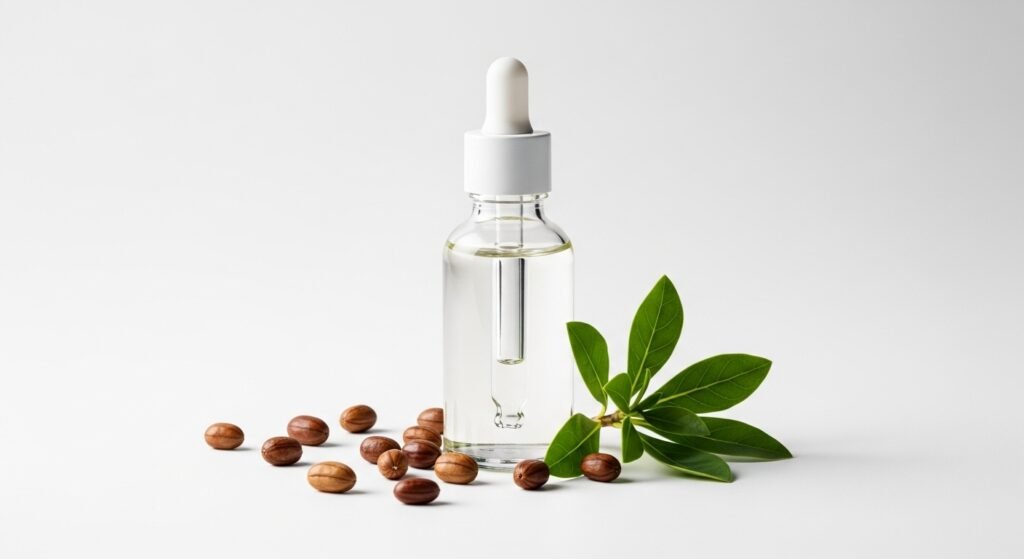
Technically a liquid wax rather than an oil, jojoba oil has a unique molecular structure that closely resembles human sebum. This makes it suitable for all skin types, including sensitive and acne-prone skin.
Standout Features:
- Non-comedogenic (won’t clog pores)
- Contains vitamin E and B-complex vitamins
- Antibacterial and anti-inflammatory properties
- Long shelf life due to natural stability
Versatile Applications:
- Balances oily skin by regulating sebum production
- Lightweight moisturizer for all skin types
- Effective makeup remover
- Treats dry, flaky patches without heaviness
- Carrier oil for essential oils
Choosing Quality Plant Oils
What to Look For
Not all oils are created equal. Here’s how to ensure you’re getting quality.
Cold-Pressed or Expeller-Pressed
Heat damages beneficial compounds. Look for oils extracted without high temperatures.
Organic Certification
Reduces exposure to pesticides that concentrate in oil extraction.
Dark Glass Containers
Protects oils from light degradation and maintains potency.
Single-Source Origin
Indicates quality control and traceability.
Unrefined and Unprocessed
Maintains maximum nutrients and beneficial compounds.
Creating Your Oil-Based Routine
Morning Application
Start light for daytime wear:
- Cleanse with gentle, pH-balanced cleanser
- Apply toner or essence if desired
- Mix 2-3 drops of lightweight oil (jojoba or argan) with moisturizer
- Follow with SPF protection
Evening Ritual
Night is ideal for richer treatments:
- Double cleanse if wearing makeup
- Apply any serums or treatments
- Warm 3-4 drops of oil between palms
- Press gently into face and neck
- Layer moisturizer if needed
Common Mistakes to Avoid
Using Too Much
More isn’t better. Start with 2-3 drops and adjust as needed.
Applying to Dry Skin
Damp skin absorbs oils better. Apply immediately after cleansing or mist first.
Ignoring Your Skin Type
Oily skin needs lightweight oils like jojoba. Dry skin can handle richer options.
Poor Storage
Keep oils in cool, dark places. Most last 6-12 months after opening.
Expecting Instant Results
Give oils 4-6 weeks to show full benefits. Consistency matters more than quantity.
Combining Oils for Custom Blends
Create personalized blends for your specific needs.
Anti-Aging Blend:
- 40% argan oil (vitamin E and elasticity)
- 40% jojoba oil (lightweight base)
- 20% olive oil (antioxidants)
Acne-Prone Skin:
- 70% jojoba oil (non-comedogenic)
- 30% argan oil (anti-inflammatory)
Very Dry Skin:
- 30% coconut oil (deep moisture)
- 30% olive oil (nourishment)
- 40% jojoba oil (balance)
Sometimes, though, your skin needs more than just moisture — it needs protection against invaders that compromise its health. For a look at a cutting-edge formula that defends nail and skin health using nano-ingredients, see our complete breakdown of NanoDefense Pro.
Special Considerations for Different Concerns
Sensitive Skin
Start with jojoba oil, the gentlest option. Patch test any new oil on your inner wrist for 24 hours before facial application.
Rosacea and Redness
Argan and jojoba oils’ anti-inflammatory properties can help. Avoid coconut oil, which might increase heat in skin.
Hyperpigmentation
While oils alone won’t fade spots, their antioxidants prevent further damage. Layer under vitamin C or niacinamide treatments.
Mature Skin
Combine argan oil’s firming properties with olive oil’s intense moisture. Apply slightly warm oil for better penetration.
For readers interested in natural antifungal oil, our Kerassentials Review 2025 explores a plant-based formula designed to combat toenail fungus, athlete’s foot, and ringworm.
The Investment in Your Skin’s Future
Switching to natural face oils isn’t just about following a trend – it’s about giving your skin ingredients it recognizes and can use effectively. While that $200 cream might promise instant transformation, these time-tested oils deliver real, lasting results without the synthetic additives or inflated prices.
The beauty industry wants you to believe you need dozens of products for healthy skin. But sometimes, the simplest solutions are the most profound. A quality plant oil, chosen for your skin type and used consistently, can replace multiple products while delivering superior results.
Start with one oil that matches your primary concern. Use it consistently for at least a month. Pay attention to how your skin responds – it will tell you everything you need to know. Remember, your skin is unique, and what works for your best friend might not work for you. That’s the beauty of natural oils – there’s one perfect for every skin type and concern.
Whether you choose the antimicrobial power of coconut, the antioxidant richness of olive, the anti-aging magic of argan, or the universal compatibility of jojoba, you’re choosing to work with your skin rather than against it. And at this stage of life, that partnership approach might be exactly what your skin has been craving.
Sources
This article was inspired by and adapted to better serve the readers of Best Natural Health Products from “A Comprehensive Review of Plant-Based Cosmetic Oils (Virgin Coconut Oil, Olive Oil, Argan Oil, and Jojoba Oil): Chemical and Biological Properties and Their Cosmeceutical Applications”. ACS Omega. Available at: https://pmc.ncbi.nlm.nih.gov/articles/PMC11541506/. Accessed on: November 11, 2025.

Sarah Jenkins is a Senior Wellness Researcher and former science educator. She specializes in "Ingredient Provenance"—decoding complex clinical studies to ensure every product is safe and historically verified. Sarah translates dense medical data into actionable advice for families and individuals.